Employee burnout is a state of physical, emotional, and mental exhaustion caused by prolonged workplace stress.
Some common signs include:
- Constant fatigue
- Difficulty concentrating
- Reduced motivation
- Increased irritability
- Lower productivity
- Feeling disconnected from work
Burnout doesn’t happen overnight. It develops gradually when employees don’t have enough opportunities to rest, recharge, or maintain healthy daily habits.
Why Workplace Food Matters More Than Ever
Food is the fuel that powers the workday.
Skipping meals, relying on fast food, or consuming sugary snacks can lead to energy crashes and poor concentration.
On the other hand, balanced and nutritious meals help employees stay energized throughout the day.
A workplace that offers healthy food choices makes it easier for employees to maintain better eating habits even during busy schedules.
1. Healthy Meals Provide Steady Energy
Heavy, oily, or highly processed meals often leave employees feeling sluggish after lunch.
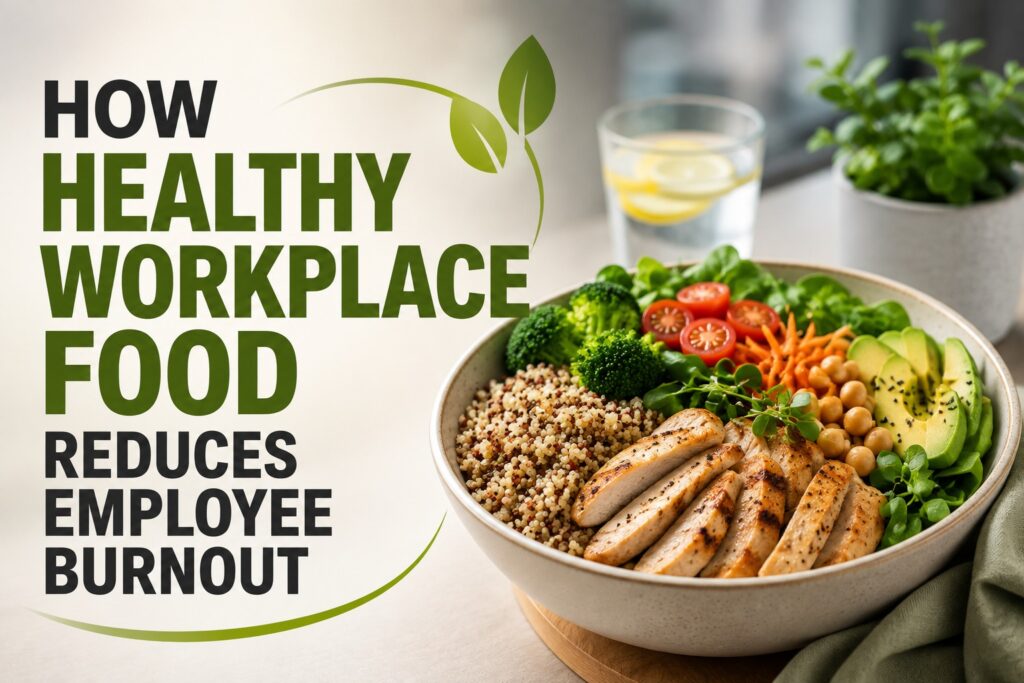
Balanced meals that include whole grains, lean proteins, vegetables, and fresh fruits provide longer-lasting energy without the afternoon crash.
When employees feel energized, they’re more likely to stay focused and productive.
2. Better Nutrition Improves Focus
The brain needs proper nutrition to perform at its best.
Foods rich in protein, healthy fats, fiber, and vitamins support:
- Better concentration
- Faster decision-making
- Improved memory
- Clearer thinking
Healthy eating helps employees remain mentally engaged throughout the workday.
3. Less Stress During the Workday
One overlooked cause of workplace stress is figuring out what to eat.
Employees often spend valuable time:
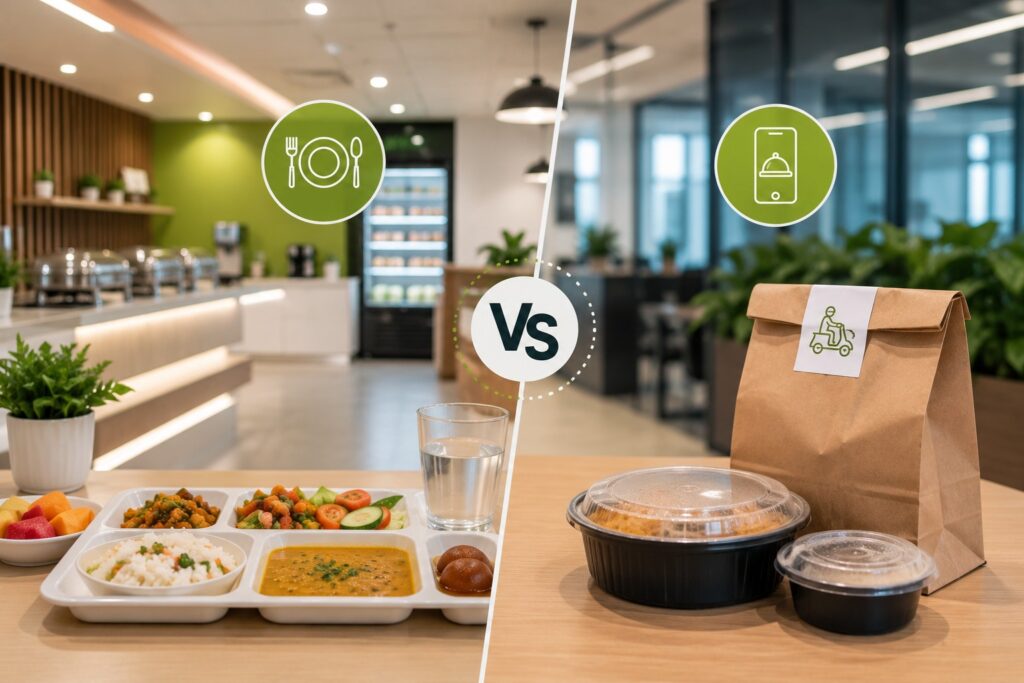
- Searching food delivery apps
- Waiting for orders
- Leaving the office for meals
Having fresh food readily available through an office cafeteria or corporate catering service removes these daily hassles, making lunch breaks more relaxing and efficient.
4. Encourages Better Eating Habits
When healthy food is easily accessible, employees are more likely to choose nutritious meals over convenience foods.
A workplace cafeteria or tuck shop can include:
- Fresh salads
- Whole-grain meals
- Seasonal fruits
- Yogurt
- Fresh juices
- Nuts and healthy snacks
Small daily choices can have a big impact over time.
5. Shared Meals Support Mental Well-being
Lunch breaks aren’t only about eating they’re also about taking a break from work.
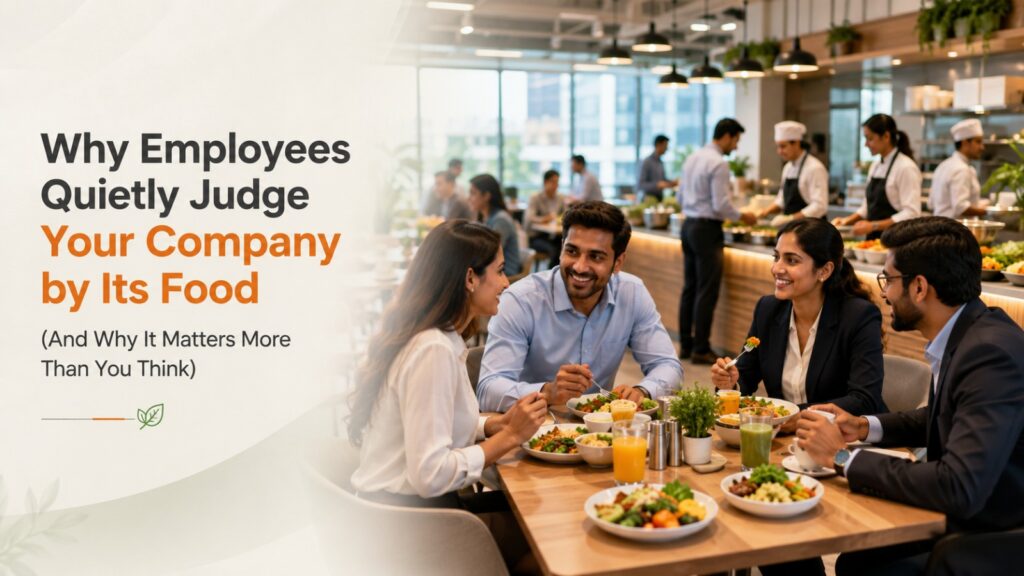
Sharing meals with colleagues creates opportunities to:
- Build relationships
- Reduce stress
- Exchange ideas
- Strengthen teamwork
These moments help employees recharge both mentally and emotionally.
6. Healthy Employees Are More Productive
Employees who eat nutritious meals often experience:
- Better concentration
- Improved mood
- Higher energy levels
- Reduced fatigue
- Increased engagement
Supporting employee health through better food isn’t just good for people it’s good for business.
Creating a Workplace That Supports Well-being
Companies don’t need complicated wellness programs to make a positive impact.
Simple initiatives can include:
- Offering healthy meal options
- Providing fresh fruits and snacks
- Improving office cafeteria menus
- Partnering with a trusted corporate catering provider
- Setting up a well-stocked corporate tuck shop
- Encouraging employees to take proper lunch breaks
These everyday improvements create a workplace where employees feel cared for.
Why Healthy Workplace Food Is a Smart Business Investment
Healthy workplace dining benefits both employees and employers.
Businesses often see improvements in:
- Employee satisfaction
- Productivity
- Workplace morale
- Team collaboration
- Employee retention
- Overall workplace culture
When employees feel physically and mentally supported, they’re better equipped to do their best work.
Final Thoughts
Reducing employee burnout requires more than occasional wellness initiatives. It starts with creating an environment that supports employees every day.
Healthy workplace food helps employees stay energized, focused, and connected. It transforms lunch from a routine break into an opportunity to recharge, improve well-being, and strengthen workplace relationships.
At Ginger Foods, we believe food is an essential part of a healthy workplace. Through our corporate catering, office cafeteria, and workplace food solutions, we help businesses create dining experiences that support happier, healthier, and more productive teams.
Because when employees are well nourished, they don’t just work better they feel better too.
Frequently Asked Questions (FAQ)
Can healthy workplace food reduce employee burnout?
Healthy meals support steady energy levels, better concentration, and overall well-being, helping employees manage workplace demands more effectively.
What foods help employees stay productive?
Balanced meals with lean proteins, whole grains, vegetables, fruits, healthy fats, and plenty of water help maintain energy and focus throughout the day.
Why should companies invest in healthy office meals?
Providing nutritious food supports employee well-being, improves workplace satisfaction, boosts productivity, and contributes to a positive company culture.
How can businesses encourage healthier eating at work?
Companies can offer healthier cafeteria menus, stock nutritious snacks, provide fresh fruits, and partner with professional corporate catering providers.
How does Ginger Foods support workplace wellness?
Ginger Foods delivers customized corporate catering, office cafeteria management, and workplace food solutions that help organizations create healthier and more enjoyable dining experiences.