
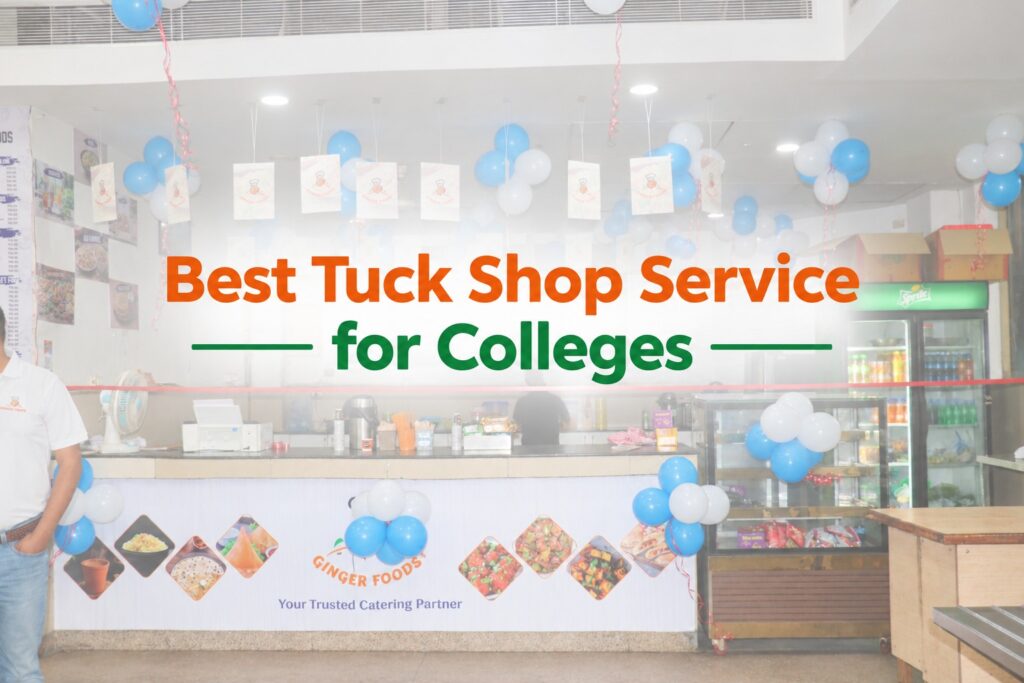
A college campus is a busy environment where students, faculty members and staff need convenient access to snacks, beverages and quick food options throughout the day. A well-managed tuck shop can make campus life easier by providing a convenient place to grab refreshments between classes, during breaks and after academic activities.
However, choosing the best tuck shop service for colleges involves more than setting up a counter and stocking packaged snacks. Colleges need a reliable food service partner who understands campus requirements, maintains hygiene standards and manages daily operations efficiently.
In this guide, we explore what makes a college tuck shop successful and how educational institutions can choose the right campus snack service provider.
What Is a College Tuck Shop Service?
A college tuck shop is a small retail food outlet within an educational campus that provides snacks, beverages and convenient food options. Depending on the institution’s requirements, it may offer packaged snacks, biscuits, sandwiches, bakery products, juices, bottled water and other suitable refreshments.
Professional tuck shop services can help colleges organise these facilities, manage stock, maintain cleanliness and provide a more convenient experience for students and staff.
From small colleges to large university campuses, a well-planned tuck shop can become a useful part of everyday campus life.
Why Do Colleges Need a Well-Managed Tuck Shop?
Students often have limited time between lectures, practical sessions, examinations and extracurricular activities. A campus tuck shop allows them to access refreshments without having to leave the premises.
Here are some key benefits of an organised college tuck shop.
1. Convenience for Students and Staff
A conveniently located tuck shop makes it easier for students, faculty members and employees to purchase refreshments during short breaks. Accessible food options can help make the daily campus routine more comfortable.
2. A Variety of Snack Options
Different people have different preferences. A thoughtfully planned menu can include packaged snacks, sandwiches, bakery items, beverages and other convenient food choices, depending on the campus’s needs.
3. Better Hygiene and Cleanliness
Clean counters, appropriate food storage, proper waste disposal and good hygiene practices are important parts of tuck shop management. Colleges should choose service providers who understand applicable food safety requirements.
4. Efficient Daily Operations
Stock planning, regular replenishment, organised product displays and efficient billing can help keep the tuck shop running smoothly, even during busy college breaks.
5. A Better Campus Experience
A well-managed tuck shop adds convenience to campus life. It gives students and staff a shared place to purchase refreshments and take a short break from their daily schedules.
What Makes the Best Tuck Shop Service for Colleges?
The right service provider should understand that every campus has different requirements. Before selecting a vendor, colleges should consider the following factors.
Quality and Product Selection
The tuck shop should offer suitable products that match the preferences, budget and requirements of the campus community. Product variety should be balanced with appropriate storage, freshness and expiry-date checks.
Food Safety and Hygiene
Hygiene should be a priority in every food service environment. Colleges should check that the provider follows applicable food safety regulations, maintains clean facilities and holds the required licences and registrations.
Reliable Stock Management
An effective stock management process helps reduce product shortages and unnecessary wastage. Regular inventory checks and timely replenishment are especially useful during examination periods, events and busy academic days.
Transparent Pricing
Clear pricing helps students make informed choices and creates trust in the service. Colleges can discuss pricing expectations, product categories and operational terms with prospective vendors before entering an agreement.
Responsive Service
A reliable tuck shop operator should be able to manage busy periods, respond to feedback and address operational issues promptly.
Experience in Institutional Food Services
Experience with colleges, universities or other institutional environments can be valuable because campus operations often involve specific access rules, operating hours, hygiene expectations and administrative requirements.
How to Choose the Right College Tuck Shop Vendor
Selecting a tuck shop service provider is an important operational decision. Colleges can use the following steps to evaluate potential vendors.
Step 1: Understand campus requirements. Estimate expected demand, operating hours, available space and the types of products students and staff prefer.
Step 2: Review the proposed menu. Check whether the provider can offer suitable snacks, beverages and convenient food options within the institution’s expectations.
Step 3: Verify compliance and hygiene practices. Review applicable food licences, storage procedures, cleanliness standards and food safety processes.
Step 4: Discuss pricing and commercial terms. Clarify product pricing, rent or revenue-sharing arrangements where applicable, staffing responsibilities, utilities and other operating costs.
Step 5: Evaluate operational capabilities. Ask how the vendor manages inventory, replenishment, service during peak hours and customer feedback.
Step 6: Define responsibilities clearly. A written agreement should cover operating hours, maintenance, waste management, compliance responsibilities and performance expectations.
A structured selection process helps colleges choose a provider that fits their campus requirements rather than relying on price alone.
College Tuck Shop vs. College Canteen: What Is the Difference?
A tuck shop and a college canteen both serve campus food needs, but their functions may differ.
A tuck shop typically focuses on packaged snacks, beverages and quick refreshments. A canteen may offer a broader menu, including freshly prepared meals and more extensive dining facilities.
Some institutions may benefit from having both options. The right arrangement depends on campus size, available space, student preferences, infrastructure and the institution’s food service strategy.
Why Professional Campus Food Service Management Matters
Managing a campus food outlet requires consistent attention to stock availability, hygiene, product selection, customer service and daily operations. A professional approach can help institutions establish clear processes and create a more organised food retail environment.
Colleges evaluating campus food service providers should look beyond the initial setup and consider how the service will operate over time. Consistency, compliance, communication and the ability to respond to changing campus needs all matter.
Ginger Foods: Supporting Better Food Experiences
At Ginger Foods, the focus is on making everyday food experiences better through food service and catering solutions for different environments.
For educational institutions exploring campus food service options, understanding the requirements of the campus is an important starting point. Product selection, hygiene, convenience and efficient operations should all be considered when planning a tuck shop or other food facility.
Colleges interested in learning more about Ginger Foods and its services can visit gingerfoods.in and explore the available service offerings.
Frequently Asked Questions
What should a college tuck shop offer?
A college tuck shop can offer packaged snacks, biscuits, beverages, sandwiches, bakery products and other convenient refreshments based on campus demand, applicable food safety requirements and available facilities.
How can a college choose the best tuck shop service provider?
Colleges should evaluate product variety, hygiene practices, regulatory compliance, pricing, inventory management, service reliability and experience in institutional environments.
What is the difference between a tuck shop and a canteen?
A tuck shop generally focuses on quick snacks and beverages, while a canteen may provide a wider selection of meals and dining options. The exact setup varies by institution.
Why is hygiene important in college tuck shops?
Good hygiene and safe food handling help protect customers, support regulatory compliance and maintain confidence in the campus food service.
Can a tuck shop operate inside a university campus?
Yes. A tuck shop can operate on a university campus when it meets the institution’s approval requirements, operational conditions and applicable food safety regulations.
What should colleges consider before hiring a tuck shop vendor?
Colleges should review the proposed menu, pricing, licences, hygiene procedures, stock management, operating hours, commercial terms and the vendor’s ability to meet campus requirements.
Conclusion
The best tuck shop service for colleges combines convenience, suitable product choices, hygiene, transparent pricing and reliable daily operations. By evaluating these factors carefully, educational institutions can create a campus snack facility that serves students and staff while meeting the institution’s operational requirements.
Whether a college is planning a new tuck shop or improving an existing facility, choosing the right service partner is an important step towards a better campus food experience.