The workplace has changed significantly in recent years. Hybrid work, flexible schedules, food delivery apps, and changing employee expectations have all influenced how people eat during the workday.
But there is another shift happening quietly: companies are paying more attention to food at the workplace again.
Corporate cafeterias and workplace meal programs are increasingly being treated as more than just a facility for employees. Food is becoming part of the overall employee experience, workplace culture, wellness strategy, and retention effort.
Recent industry coverage in India shows companies investing in better cafeteria experiences, healthier menus, and organised employee dining. At the same time, hybrid work has made traditional cafeteria models more difficult to operate efficiently.
So, why are companies bringing food back to the office in 2026?
Let’s take a closer look.
The Changing Role of Food in the Workplace
For a long time, office food was considered a basic employee facility.
There was a cafeteria, a canteen, or a few nearby restaurants. Employees would simply choose where they wanted to eat.
Today, the expectation is different.
Employees increasingly look for food that is:
- Fresh
- Hygienic
- Convenient
- Affordable
- Nutritious
- Varied
- Easy to access
- Suitable for different dietary preferences
This means workplace food is becoming part of the larger employee experience.
Recent reporting from India shows corporate cafeterias introducing protein-rich meals, healthier options, calorie-conscious dishes, and wellness-focused food choices.
Why Is Office Food Becoming Important Again?
1. Employees Want Convenience
One of the biggest reasons companies are investing in workplace food is simple: convenience.
Employees already spend a significant part of their day at work. Having reliable food available at the workplace means they don’t have to spend extra time searching for restaurants, waiting for deliveries, or leaving the office during busy working hours.
A convenient meal can make the workday smoother.
This is especially useful for:
- Long meetings
- Training sessions
- Busy workdays
- Corporate events
- Team lunches
- Workshops
- Seminars
2. Food Can Improve the Workplace Experience
A workplace isn’t only about desks, computers, and meeting rooms.
Small everyday experiences can influence how employees feel about their workplace.
Food is one of them.
A good cafeteria, packed lunch service, snack counter, or corporate meal program can create opportunities for employees to take a proper break, interact with colleagues, and step away from their screens.
In this way, food becomes part of the workplace culture rather than simply another operational expense.
3. Healthy Food Is Becoming a Bigger Priority
One of the most noticeable changes in corporate food is the increasing focus on healthier choices.
Companies are adding options such as:
- Protein-rich meals
- Salads
- Seasonal fruits
- Millets
- Brown rice
- Low-sugar options
- Lighter meals
- Portion-controlled dishes
- Vegetarian and specialised dietary options
Indian companies have increasingly been experimenting with healthier cafeteria menus, nutrition information, and wellness-focused food programs.
This reflects a broader change in employee expectations.
People don’t just want food that fills them up. They also want food that fits their lifestyle.
4. Food Is Becoming Part of Employee Wellness
Employee wellness is no longer limited to gym memberships or health insurance.
Everyday habits matter too.
Food is one of the most regular choices employees make during the working day.
Providing better food choices can therefore become one part of a broader workplace wellness strategy.
Companies are increasingly recognising the relationship between nutrition, energy, productivity, and employee well-being.
A workplace meal program can support this by providing employees with access to balanced and varied meals.
5. Food Can Support Employee Retention
Employee retention is another reason workplace dining is getting more attention.
In 2026, corporate cafeterias are increasingly being viewed as a potential employee experience and retention tool, particularly by larger organisations. Recent reporting on India’s B2B food-tech sector notes that companies are investing in better dining experiences as part of efforts to improve employee retention.
A good workplace food program won’t replace salary, career growth, or a healthy work culture.
But it can contribute to the everyday experience employees have at work.
Sometimes, it’s the small conveniences that make a workplace feel more employee-friendly.
6. Hybrid Work Has Changed the Cafeteria Model
There is an interesting challenge behind the renewed interest in workplace food.
Hybrid work means employee attendance can vary significantly from one day to another.
A cafeteria designed for a fixed number of employees can become inefficient when only a portion of the workforce is present.
A 2026 workplace cafeteria report found that many cafeteria operators are struggling with fluctuating headcounts and hybrid schedules, leading some organisations to rethink traditional cafeteria models.
This is encouraging companies to consider more flexible food solutions.
Instead of relying only on a large traditional cafeteria, businesses can explore:
- Packed lunches
- Grab-and-go meals
- Snack boxes
- Corporate catering
- Pre-ordered meals
- Flexible meal programs
- Event-based food services
7. Packed Lunches Are a Practical Alternative
Not every office needs a large cafeteria.
For some workplaces, packed lunches can be a much more practical option.
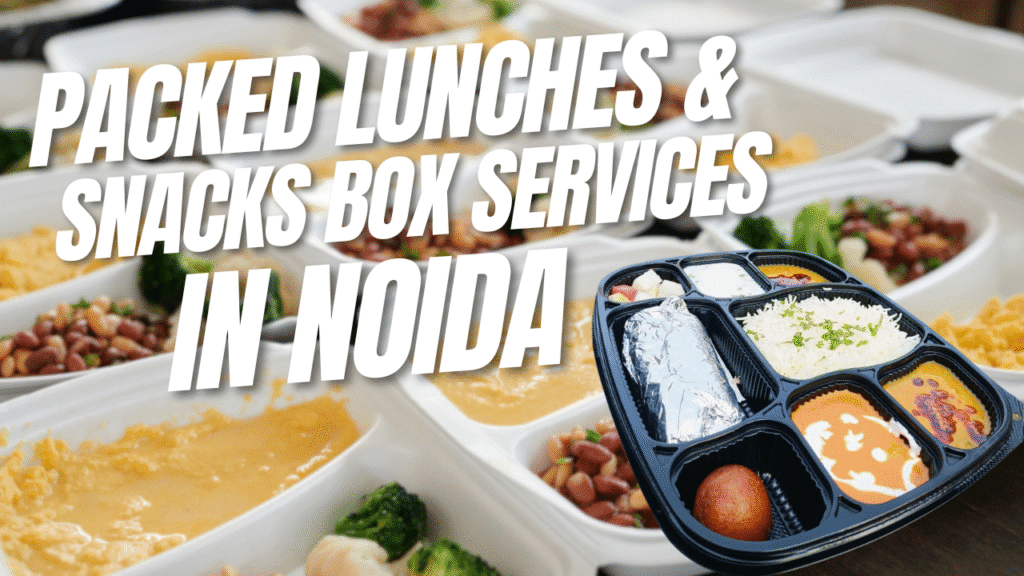
Individual meal boxes are:
- Easy to carry
- Easy to distribute
- Easy to parcel
- Convenient for meetings
- Suitable for travel
- Useful for events
- Simple to manage
This makes packed lunches particularly suitable for offices with changing employee attendance.
They can also work well for training sessions, seminars, workshops, corporate events, and outdoor activities.
Instead of setting up a complete dining area, companies can simply arrange professionally prepared meals and distribute them when required.
8. Corporate Catering Is Becoming More Flexible
Corporate food service is no longer limited to a traditional lunch buffet.
Modern businesses may require different food solutions on different days.
For example:
Monday: Regular employee lunch
Wednesday: Meeting snacks
Thursday: Corporate event catering
Friday: Team lunch
Special Event: Packed meals or snack boxes
This flexibility allows companies to choose a food solution according to their actual requirements rather than maintaining the same format every day.
9. Food Delivery Apps Don’t Solve Every Workplace Need
Food delivery apps have made ordering food incredibly convenient.
However, individual food ordering isn’t always the best solution for a corporate environment.
When dozens or hundreds of employees order separately, businesses can face:
- Multiple deliveries
- Different arrival times
- Higher individual costs
- Packaging waste
- Delivery coordination issues
- Difficulties managing large meetings
A professional corporate food service can simplify the process by preparing and delivering meals together.
For large teams and organised events, this can be much easier to manage.
10. Employees Want Variety
Eating the same meal every day can quickly become boring.
This is why variety has become an important part of modern workplace food programs.
A corporate menu can rotate between:
- North Indian meals
- South Indian meals
- Regional Indian dishes
- Light meals
- Healthy meals
- Snacks
- Desserts
- Breakfast options
- Beverages
Different employees also have different preferences.
Providing variety allows people to find options that work for them.
11. Hygiene Matters More Than Ever
When food is being served to a large number of employees, hygiene cannot be an afterthought.
Companies need food partners who understand:
- Safe food preparation
- Proper storage
- Hygienic packaging
- Clean handling
- Timely delivery
- Consistent quality
This becomes even more important when food is prepared and distributed at scale.
A professional corporate food service provider can help businesses manage these requirements more systematically.
12. Technology Is Also Changing Workplace Dining
Technology is becoming another important part of modern corporate food service.
Digital ordering, menu management, feedback systems, payment systems, and cafeteria management platforms can make workplace dining more efficient.
The goal isn’t simply to make food more technological.
The goal is to make the experience faster, more organised, and easier to manage.
What Does the Future of Office Food Look Like?
The future probably won’t be one single model.
Some large organisations may continue to operate full-scale cafeterias.
Others may choose smaller food counters, grab-and-go options, packed lunches, snack boxes, or managed corporate catering.
The key change is flexibility.
Instead of asking:
“Do we need a cafeteria?”
Companies are increasingly asking:
“What type of food solution actually works for our employees?”
That is a much more useful question.
How Corporate Food Services Can Help
A professional corporate food service provider can help companies manage everything from daily employee meals to special events.
Depending on the requirement, businesses can choose:
Daily Corporate Meals
Regular breakfast, lunch, snacks, or dinner for employees.
Packed Lunches
Individual meal boxes that are easy to carry, distribute, and parcel.
Snack Boxes
Convenient snack solutions for meetings, training sessions, and employee events.
Corporate Events
Food arrangements for conferences, seminars, workshops, celebrations, and other events.
Special Food Counters
Dedicated counters for occasions such as biryani days, regional food festivals, or themed meals.
Why This Matters for Businesses
Workplace food may look like a small part of business operations.
But employees experience it regularly.
A well-managed food program can provide:
- Greater convenience
- Better meal choices
- Improved employee experience
- Easier event management
- More organised food operations
- Flexible meal options
- Better support for workplace wellness
This is why companies are increasingly looking at food as part of their overall workplace strategy.
The Role of Ginger Foods
For businesses looking for flexible workplace food solutions, Ginger Foods provides corporate food services designed around different workplace requirements.
From corporate meals and packed lunches to snack boxes and event catering, the focus is on making workplace food convenient, organised, and suitable for modern businesses.
Whether a company needs daily employee meals or food for a one-day corporate event, the right catering solution can be planned according to the number of people, menu preferences, location, and occasion.
Final Thoughts
The return of food to the workplace isn’t really about bringing back the old-fashioned office canteen.
It’s about creating a better and more flexible approach to workplace dining.
In 2026, companies are thinking about food differently.
They are looking at health, convenience, variety, employee experience, flexibility, and workplace culture.
For some businesses, that may mean a modern cafeteria.
For others, it may mean packed lunches, snack boxes, grab-and-go meals, or professional corporate catering.
The important thing is choosing a solution that fits the way people actually work.
Because when the workplace changes, the way we eat at work has to change too.
Frequently Asked Questions
Why are companies investing more in workplace food?
Companies are increasingly viewing food as part of employee experience, wellness, workplace culture, and retention rather than simply a basic facility.
Is a corporate cafeteria still relevant in 2026?
Yes, but the traditional cafeteria model is changing. Hybrid work and fluctuating employee attendance are encouraging businesses to explore more flexible food-service models.
Are packed lunches suitable for offices?
Yes. Packed lunches are especially useful for meetings, training sessions, events, travel, and offices where employee attendance varies.
What are modern corporate food options?
Modern workplace food solutions can include cafeterias, packed lunches, snack boxes, grab-and-go meals, daily corporate catering, event catering, and flexible meal programs.
Is healthy food becoming important in corporate cafeterias?
Yes. Indian companies have increasingly introduced healthier, protein-rich, low-GI, calorie-conscious, and wellness-focused food options in corporate cafeterias.